What to Eat After Wisdom Tooth Extraction?
Wisdom tooth removal is usually quick, but recovery depends heavily on what you do after the procedure, especially what you eat. Most patients don’t struggle because of pain alone; they struggle because they’re unsure what foods are safe, what can slow healing, and when normal eating can resume.
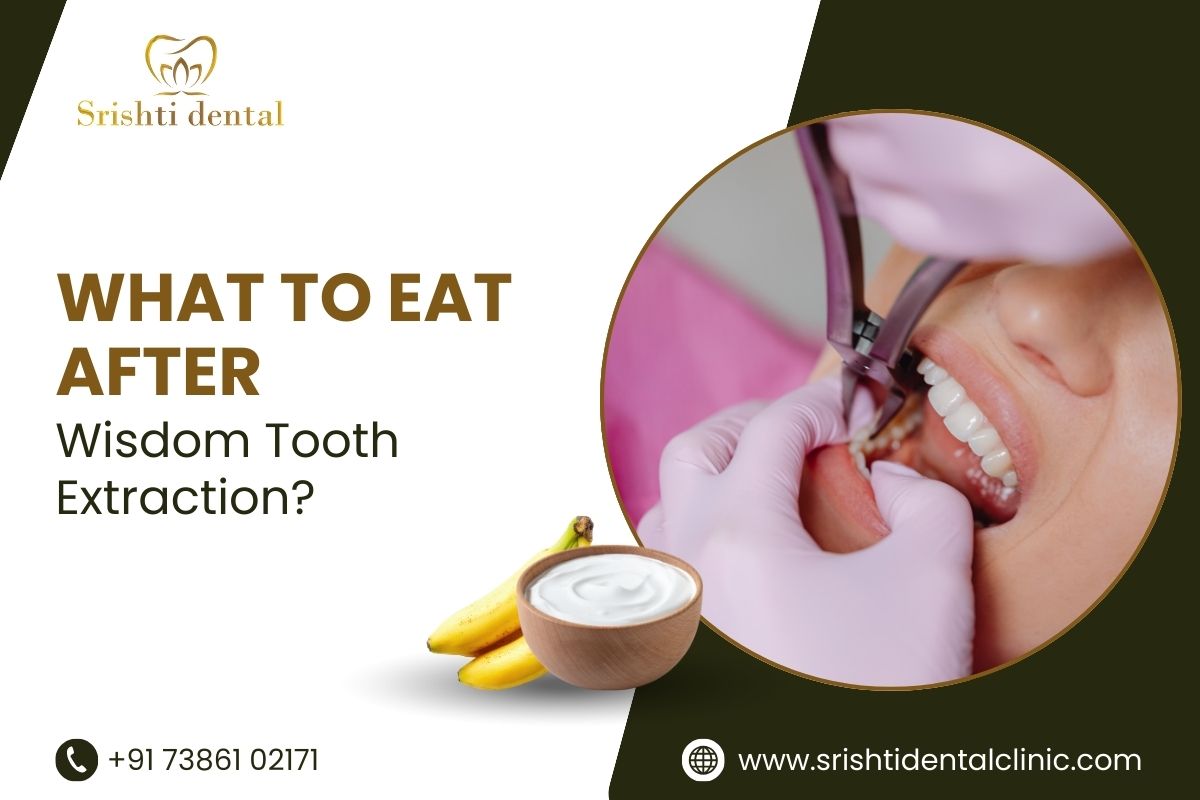
If you’ve recently undergone or are planning a wisdom tooth extraction, this guide will walk you through food choices step by step, what to eat, what to avoid, and why those choices matter. At Srishti Dental Clinic, after wisdom tooth removal in Madhapur, patients often say that the right food guidance made recovery smoother than they expected.
This blog keeps things practical, honest, and easy to follow, with no complicated rules, just smart decisions that protect healing.
What is Wisdom Tooth and Where is it Located?
A wisdom tooth is the third and final molar that usually appears in the late teenage years or early twenties. It gets its name because it erupts at a more “mature” age, when a person is considered wiser compared to childhood. Not everyone develops all four wisdom teeth, some may have fewer, and some may not develop them at all.
Wisdom teeth are located at the very back of the mouth, behind the second molars. They can appear on both the upper and lower jaws, one on each side. Because they erupt last and space is often limited, wisdom teeth may grow at an angle, remain partially trapped under the gums, or fail to emerge completely, which is why they commonly cause pain, swelling, or other dental problems.
Why Food Matters After Wisdom Tooth Extraction?
After extraction, the operated area needs time to form a stable blood clot and begin healing. Certain foods can:
- Disturb the clot
- Increase swelling
- Delay healing
- Cause pain or infection
On the other hand, the right food:
- Reduce discomfort
- Support tissue repair
- Help you return to normal eating sooner
Food doesn’t just fuel recovery, it actively shapes it.
The First 24 Hours: Keep It Cool, Soft, and Simple
The first day is all about protecting the extraction site.
Best Foods to Eat
- Cold milk
- Yogurt (plain, smooth)
- Ice cream (without nuts or chunks)
- Smooth soups (lukewarm, not hot)
- Applesauce
Cold or cool foods help reduce swelling and soothe tissues. Texture matters more than flavor at this stage.
Foods to Avoid
- Hot food or drinks
- Crunchy snacks
- Spicy items
- Acidic juices
- Anything chewy
Heat and hard textures increase the risk of bleeding and discomfort.
Days 2–3: Gentle Nutrition With No Chewing Stress
By the second or third day, swelling may still be present, but pain usually begins to reduce.
Safe Food Options
- Soft rice
- Well-cooked dal
- Mashed potatoes
- Scrambled eggs
- Soft khichdi
- Paneer (soft and lightly cooked)
These foods provide energy without stressing the jaw.
At Srishti Dental Clinic, people recovering from wisdom tooth removal in Madhapur are advised to chew away from the surgical site and eat slowly.
Days 4–7: Gradual Return to Comfort Foods
Healing improves significantly during this phase, but caution still matters.
What You Can Add
- Soft rotis soaked in dal
- White sauce pasta (well-cooked)
- Steamed vegetables
- Soft fruits like bananas or papayas
You can increase variety, but texture should remain soft.
Still Avoid
- Chips and namkeen
- Nuts and seeds
- Hard bread
- Sticky sweets
Even if pain feels manageable, the socket still heals internally.
Why Are Crunchy and Spicy Foods Risky?
Many people resume normal eating too quickly, which can lead to setbacks.
Crunchy foods can:
- Get stuck in the socket
- Dislodge the blood clot
- Cause dry socket (a painful complication)
Spicy foods can:
- Irritate healing tissues
- Increase burning and swelling
Avoiding them temporarily saves days of discomfort later.
What About Drinking Through a Straw After Tooth Extraction?
Avoid it completely for at least a week.
Suction can pull out the clot and delay healing. Drink normally and gently.
Hydration Matters More Than You Think
Staying hydrated:
- Speeds healing
- Prevents dry mouth
- Reduces infection risk
Stick to water, milk, and non-acidic drinks. Avoid alcohol and carbonated beverages until healing stabilizes.
Protein and Healing: Don’t Skip Nutrition
Soft foods shouldn’t mean poor nutrition.
Good protein sources after extraction:
- Yogurt
- Paneer
- Eggs
- Lentil soups
Protein supports tissue repair and shortens recovery time.
When Can You Eat Normally Again After A Wisdom Tooth Removal?
Most people return to regular food:
- After 7–10 days for simple extractions
- After 10–14 days for surgical or impacted teeth
Your dentist will guide you based on healing progress.
Patients undergoing wisdom tooth extraction are usually reviewed before being cleared for hard foods.
Signs You’re Eating Too Soon
Slow down if you notice:
- Increased pain after meals
- Bleeding
- Sharp discomfort while chewing
- Food consistently lodges in the socket
Healing should feel progressively easier, and not worse.
Common Mistakes Patients Make
- Skipping meals due to fear
- Eating hot food too early
- Testing hard foods “just once.”
- Using straws
- Ignoring pain signals
Recovery improves when patience replaces guesswork.
How Do Dentists Support Food-Based Healing?
At Srishti Dental Clinic, post-extraction care includes:
- Clear food timelines
- Pain management advice
- Healing checks
- Guidance for safe return to normal diet
Good recovery doesn’t rely on medication alone, it relies on daily habits.
FAQs
How painful is extracting a wisdom tooth?
Wisdom tooth extraction is usually not painful during the procedure because the dentist uses local anesthesia to numb the area completely. You may feel pressure, but not sharp pain. After the extraction, mild to moderate soreness is normal for a few days and is usually well controlled with prescribed pain medication and proper aftercare.
What are the signs of infection after tooth extraction?
Signs of infection may include increasing pain after a few days, swelling that worsens instead of improving, pus or discharge from the extraction site, bad taste or odor in the mouth, and fever. If any of these symptoms appear, it’s important to contact your dentist promptly for evaluation and treatment.
Is it normal to have swelling on my cheek after wisdom teeth removal?
A bump or swelling on the cheek after wisdom tooth removal is usually part of the normal healing process. It occurs due to tissue inflammation and minor trauma from the procedure. This swelling typically peaks within 48–72 hours and gradually subsides with cold compresses, rest, and proper care.
What is the wisdom tooth removal cost?
The cost depends on whether the tooth is fully erupted or impacted, its position, and the complexity of the procedure. Simple extractions cost less, while surgical removals require more time and expertise. A proper examination and X-ray are needed for an accurate estimate.
How long do I need to eat soft food after wisdom teeth removal?
Most people are advised to stick to soft foods for about 3–5 days. Foods like curd, dal, mashed vegetables, rice, smoothies, and soups are ideal. As discomfort reduces, you can slowly return to your normal diet, letting comfort guide the pace.
How long does it take for a wisdom tooth extraction to heal?
Initial healing usually happens within 7–10 days. Complete healing of the bone and tissue can take a few weeks. Mild soreness during this period is normal, but pain should steadily reduce, not increase.
Your Recovery Is on Your Plate
Recovery after wisdom tooth removal doesn’t require extreme restrictions, just smart choices at the right time. Soft, nourishing foods protect the healing site, reduce pain, and help you return to normal eating faster.
If you’ve had or are planning a wisdom tooth removal in Madhapur, remember that healing continues long after you leave the dental chair. What you eat every day plays a bigger role than most people realize.
With proper care, patience, and guidance from Srishti Dental Clinic, recovery can be smoother, quicker, and far more comfortable than expected.